

What you need to know: A Proposition 1 investment of $65 million for mental health services in Los Angeles County will help convert vacant state-owned property into 162 housing and mental health treatment beds.
As part of his comprehensive approach to get people off the streets and into treatment and housing, Governor Gavin Newsom today announced the groundbreaking of Los Angeles County Care Community, a state-of-the-art behavioral health campus that will transform six vacant buildings into a unified mental health and housing community providing 162 housing and treatment beds.
The project is supported by a $65 million investment through the Behavioral Health Infrastructure Bond Act under Proposition 1. The effort advances Mental Health for All, California’s initiative to build a stronger behavioral health system. This comes as Governor Newsom announced earlier this week $291 million in funding for housing and behavioral health services statewide, and California’s recent 9% drop in unsheltered homelessness.
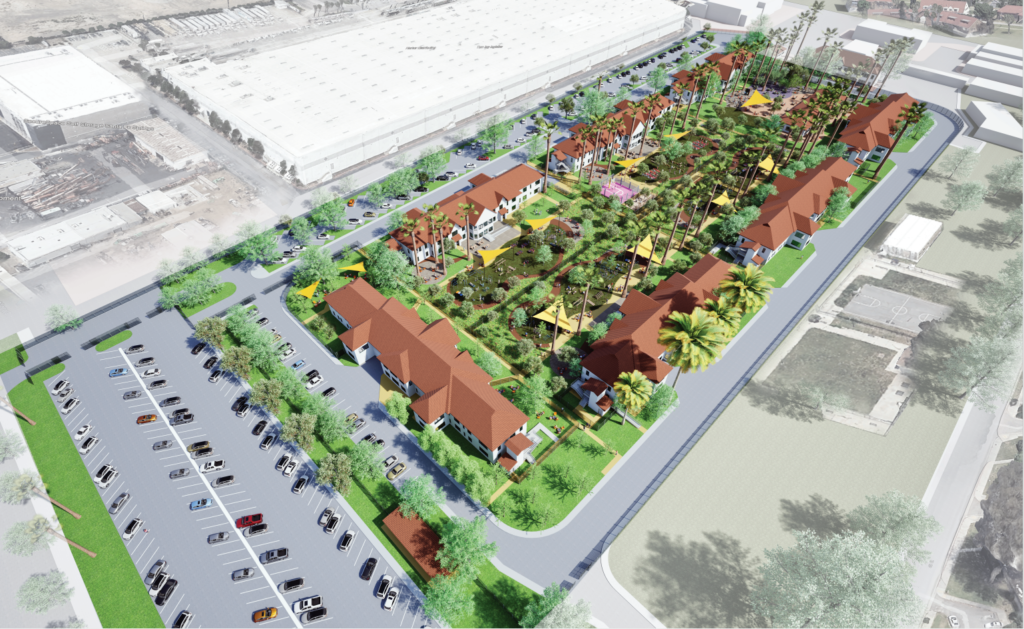
The campus will include:
- Two subacute psychiatric facilities (32 beds) funded by the Behavioral Health Continuum Infrastructure Program (BHCIP) for young adults ages 18–25 with significant mental health needs.
- A 70‑bed interim housing facility with wraparound mental health services.
- Two permanent supportive housing buildings with 60 apartments for adults exiting homelessness.
- A shared community building for case management, wellness services, and onsite supports.
“Today marks a critical milestone in our commitment to transforming California’s behavioral health system,” said California Health and Human Services Agency Secretary Kim Johnson. “Through these investments, we are creating bold, community-driven solutions that expand access to care, promote equity, and meet people where they are. These projects reflect our values and vision for a healthier, more compassionate California.”